
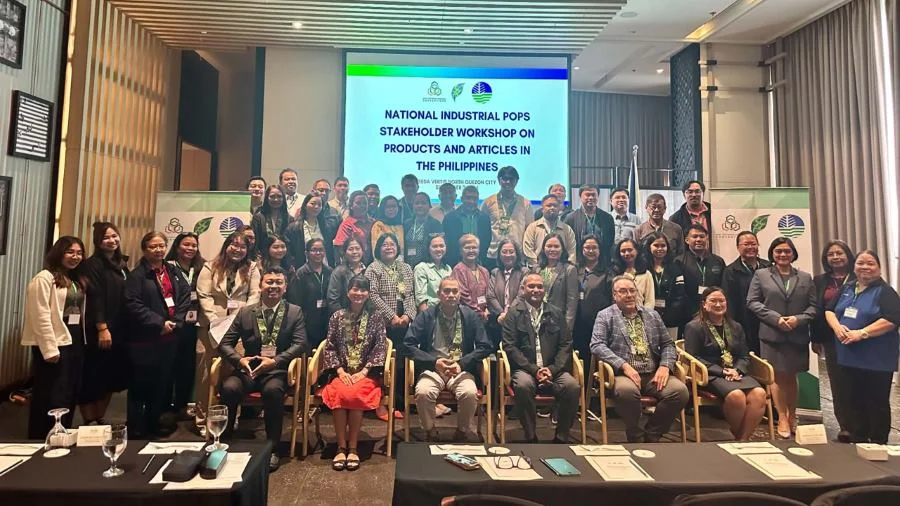
03 Sep Advancing Sustainable Chemical Management: Multi-Sectoral Collaboration at the National Industrial POPs Stakeholder Workshop
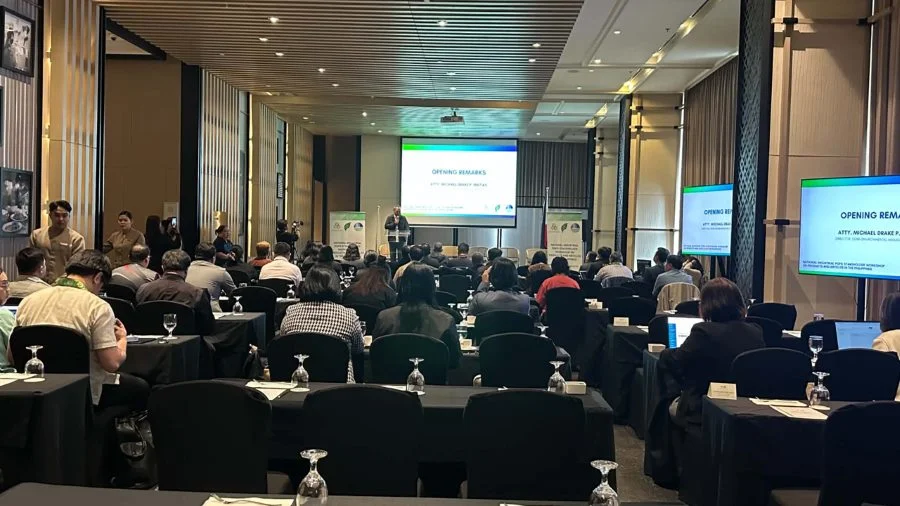
The National Industrial Persistent Organic Pollutants (POPs) Stakeholder Workshop, held on 3 September 2026 in Quezon City, opened with welcoming remarks by Atty. Michael Drake Matias, Director of the Environmental Management Bureau (EMB). Emphasizing the critical importance of collaboration and partnership, Atty. Matias underscored that effective management of hazardous chemical substances requires a unified approach among government agencies, industry stakeholders, and international bodies. He highlighted that only through concerted multi-sectoral cooperation can the Philippines achieve sustainable environmental governance and fulfill its international obligations under the Stockholm Convention and related treaties.
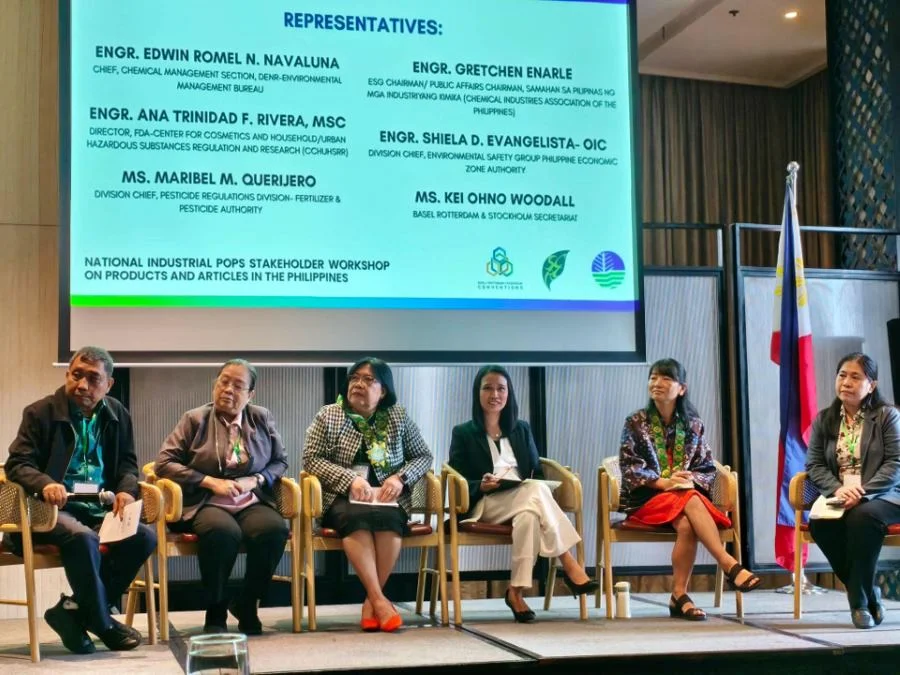
The workshop was crafted as a strategic platform to address the complex regulatory and operational challenges associated with the management and phase-out of Short-Chain Chlorinated Paraffins (SCCPs) and Medium-Chain Chlorinated Paraffins (MCCPs). Key representatives from the Fertilizer and Pesticide Authority (FPA), Food and Drug Administration (FDA), Philippine Economic Zone Authority (PEZA), as well as the Basel, Rotterdam, and Stockholm (BRS) Secretariat, participated, ensuring a comprehensive dialogue across governmental and international spectrums. Engr. Gretchen Enarle, Director of Environmental, Social, and Governance (ESG) at the Samahan sa Pilipinas ng mga Industriyang Kimika (SPIK), served as one of the distinguished panelists. Her participation brought an essential industry perspective to the discussions, emphasizing the practical challenges and collaborative opportunities for chemical manufacturers navigating evolving regulatory demands.
A critical topic of deliberation was the challenge of securing accurate and complete chemical information across supply chains while safeguarding proprietary and confidential business information. The consensus pointed toward the development of secure, confidential mechanisms to streamline data sharing between suppliers, industry associations, and regulatory authorities, facilitating transparency without compromising trade secrets.
The workshop also underscored the necessity for enhanced governmental support, including clear regulatory guidance, expanded technical assistance, increased testing capacity, and structured transition frameworks. These resources are vital to support industries in the responsible phase-out of hazardous substances, aligning domestic practices with global environmental and public health objectives.
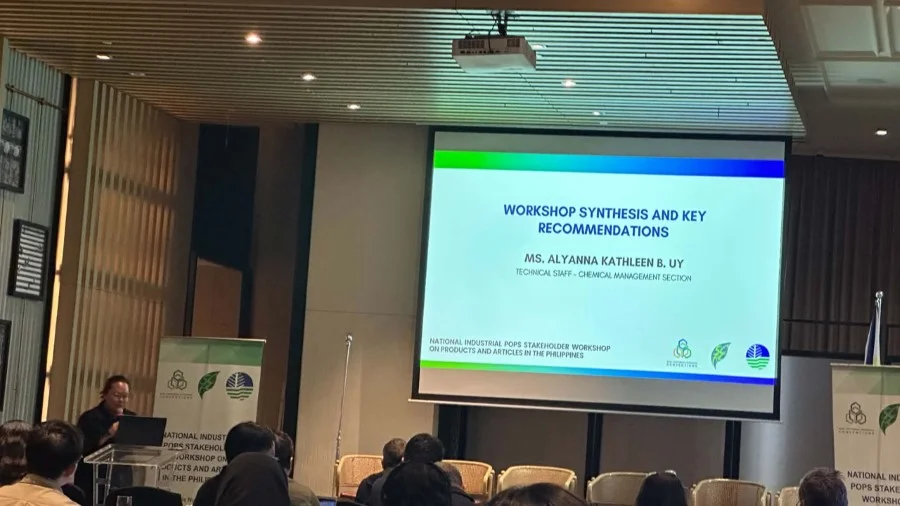
Overall, the National Industrial POPs Stakeholder Workshop showcased the indispensable role of multi-sector collaboration and the collective commitment to advancing sustainable chemical management. The workshop laid a strong foundation for ongoing partnership and dialogue, essential for the Philippines to sustainably navigate the complexities of hazardous chemical regulation within an interconnected global context.