
24 Jun Packaging the Future: Driving Climate Action through Extended Producer Responsibility and Industry Initiatives
In a recent webinar titled Packaging the Future: EPR and Industry Initiatives Driving Climate Action, key stakeholders from the chemical and environmental sectors convened to discuss sustainable packaging solutions and their critical role in combating climate change. Organized by the Samahan sa Pilipinas ng mga Industriyang Kimika (SPIK) and the Pollution Control Association of the Philippines (PCAPI), the event highlighted the importance of Extended Producer Responsibility (EPR) in promoting a circular economy and reducing plastic pollution.
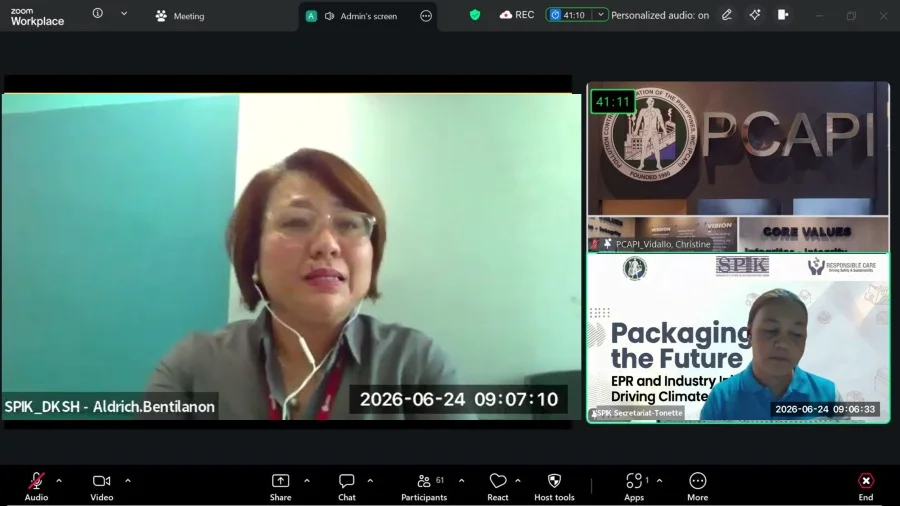
Engr. Aldrich Bentilanon, President of SPIK, set the tone by emphasizing how sustainable packaging is essential to environmental responsibility and industry innovation.
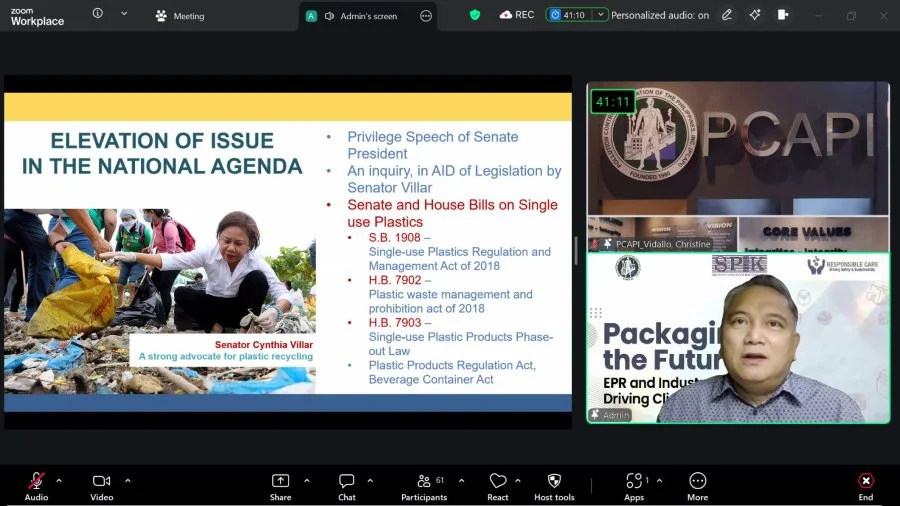
The first speaker, Engr. Jess Reyes, Interim President and Executive Director of the Philippine Alliance for Recycling and Materials Sustainability (PARMS), outlined the 2022 EPR Act, which mandates producers to manage their packaging waste from production to disposal. His presentation highlighted how EPR fosters recyclable design, reuse, and funding for waste recovery programs.
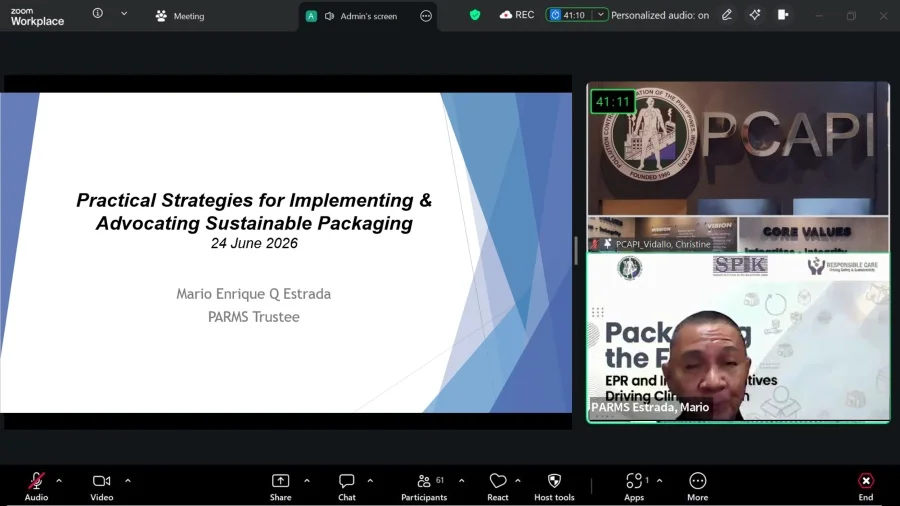
Following this, Mr. Mario Estrada of PARMS shared practical strategies for implementing and advocating sustainable packaging within industries. Drawing from his extensive experience in the chemical and packaging sectors, he stressed the importance of baseline audits, reduction-focused design, pilot testing, supplier collaboration, and integrating sustainability into procurement. His insights provided attendees with actionable approaches to achieving measurable environmental and business benefits.
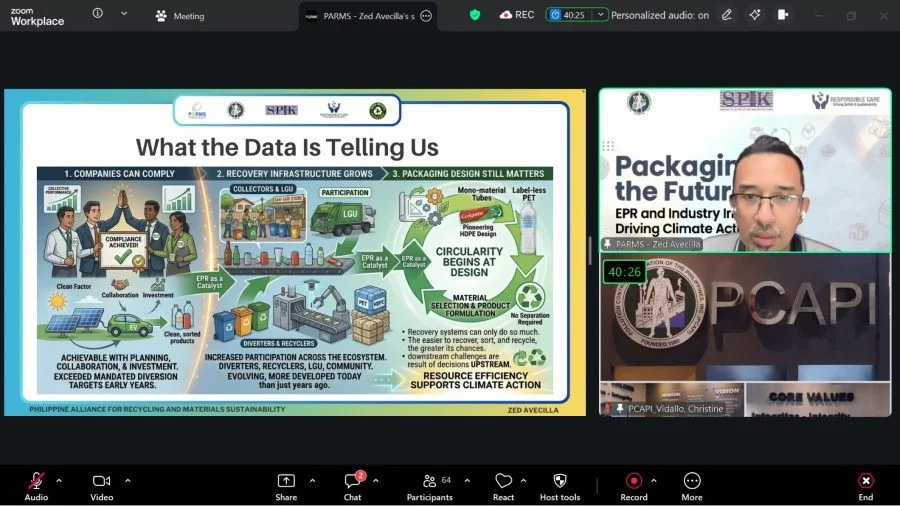
The webinar continued with a presentation by Mr. Zedrik Avecilla, Program Director of PARMS, who highlighted innovative packaging solutions and multi-stakeholder initiatives fostering a circular economy. He emphasized the collaborative governance efforts and the development of recycled material markets necessary to turn plastic waste challenges into sustainable opportunities. His discussion spotlighted the first three years of EPR implementation as a critical foundation for advancing resource efficiency and environmental sustainability.
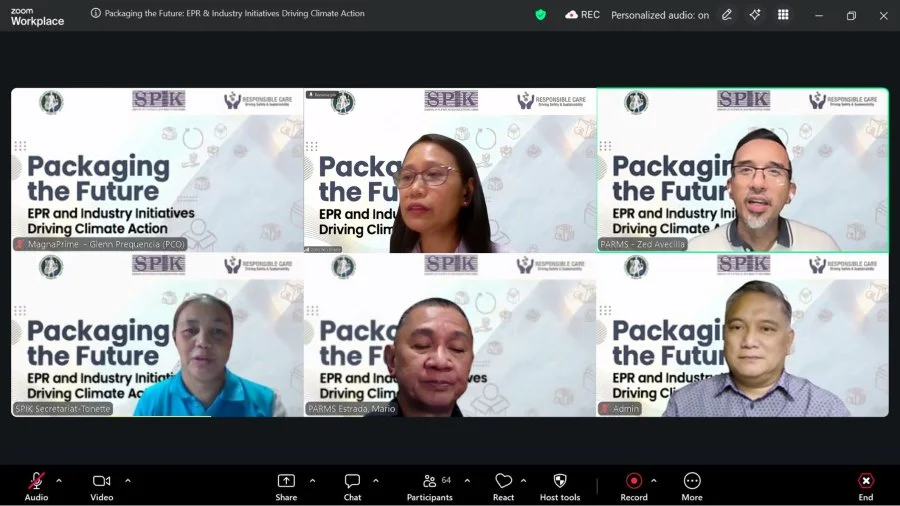
Attendees actively engaged in question-and-answer sessions, deepening their understanding of how EPR and industry initiatives can transform packaging practices to support climate goals. Certificates of Appreciation were awarded to all speakers in recognition of their expertise and contributions to the cause.
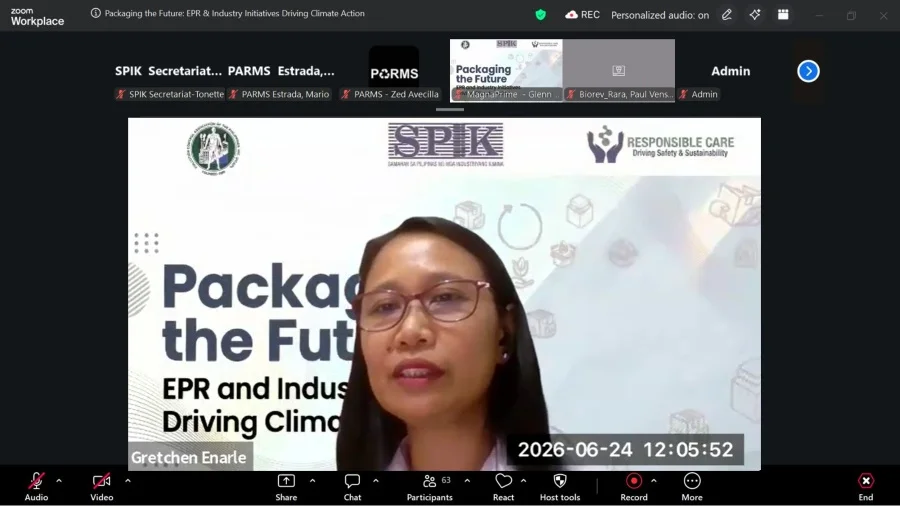
The webinar concluded with closing remarks from Engr. Gretchen F. Enarle, Director of the Environmental, Social, and Governance Committee, who inspired participants to carry forward the knowledge gained and continue advocating for responsible practices within their communities and industries.
As the Philippines advances toward “Zero Waste to Nature” by 2030, events like this webinar are vital in fostering a collective commitment to sustainability. Through extended producer responsibility and collaborative industry efforts, the path to innovative, eco-friendly packaging solutions that mitigate environmental impact is clearer than ever.