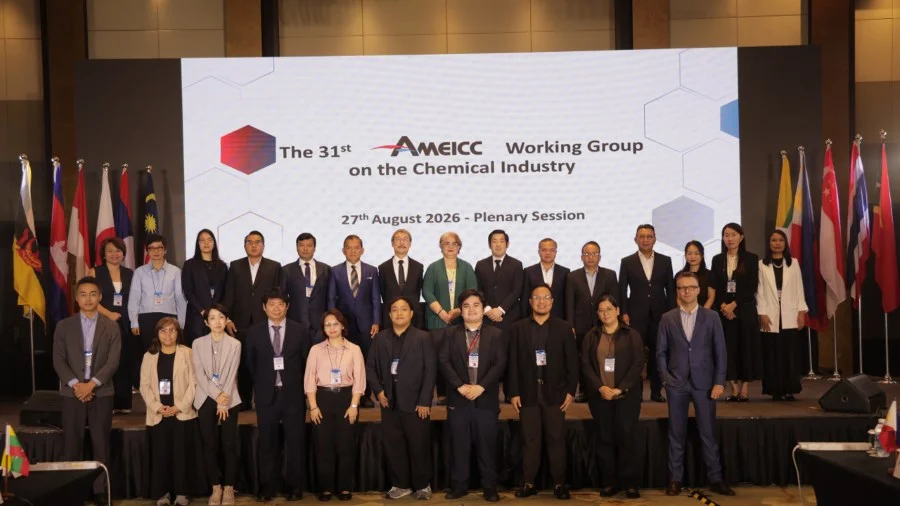
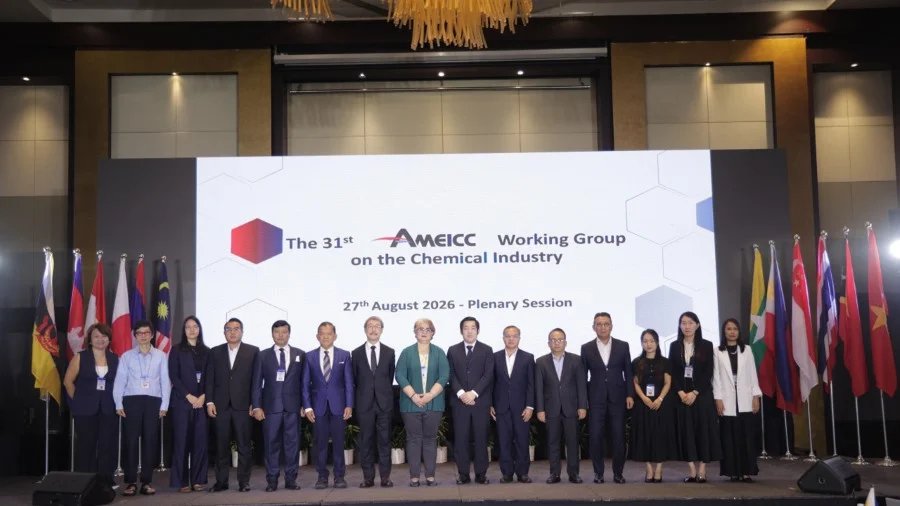
28 Aug 31st AMEICC Working Group on Chemical Industry Meeting Held in Manila, Philippines
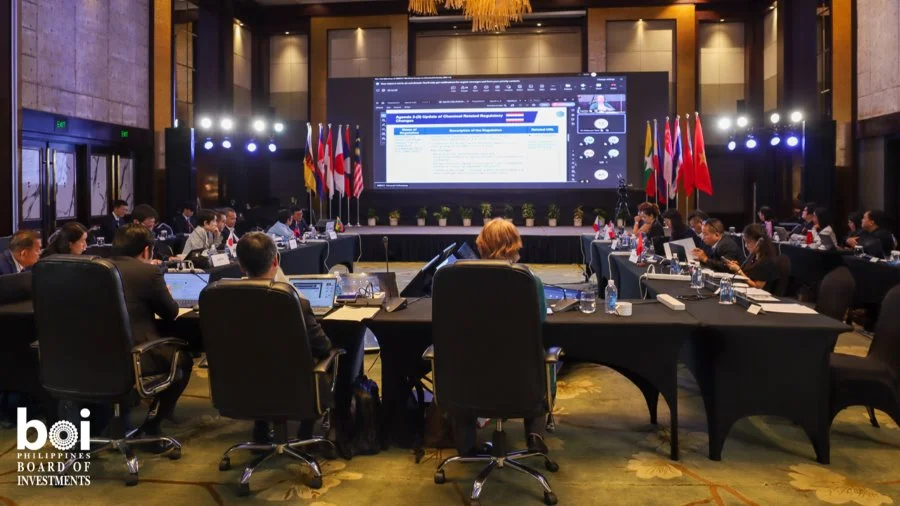
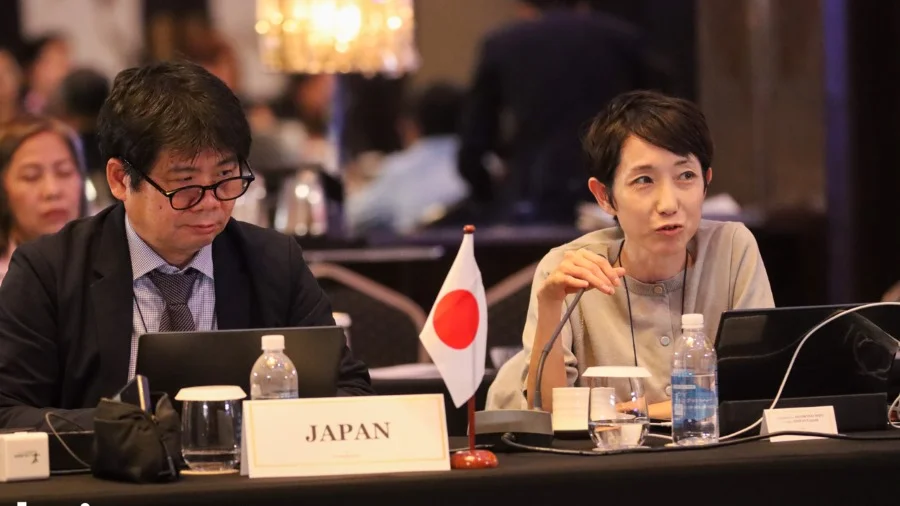
The 31st Meeting of the AMEICC Working Group on Chemical Industry (WG-CI) was held on August 27-28, 2026, in Manila, Philippines, hosted by the Philippines through the Department of Trade and Industry – Board of Investments (DTI-BOI) and co-chaired by Japan’s Ministry of Economy, Trade and Industry (METI). The event brought together key stakeholders from ASEAN countries and Japan to advance cooperation in the chemical sector. The meeting opened with welcoming remarks from Ms. Ma. Corazon Halili-Dichosa, Executive Director of Industry Development Services at the Philippine BOI, and Mr. Kikuo Take, Director for International Affairs at METI. Their addresses set an optimistic tone, emphasizing continued partnership to strengthen the region’s chemical industry amid shared challenges such as geopolitical tensions impacting global supply chains.
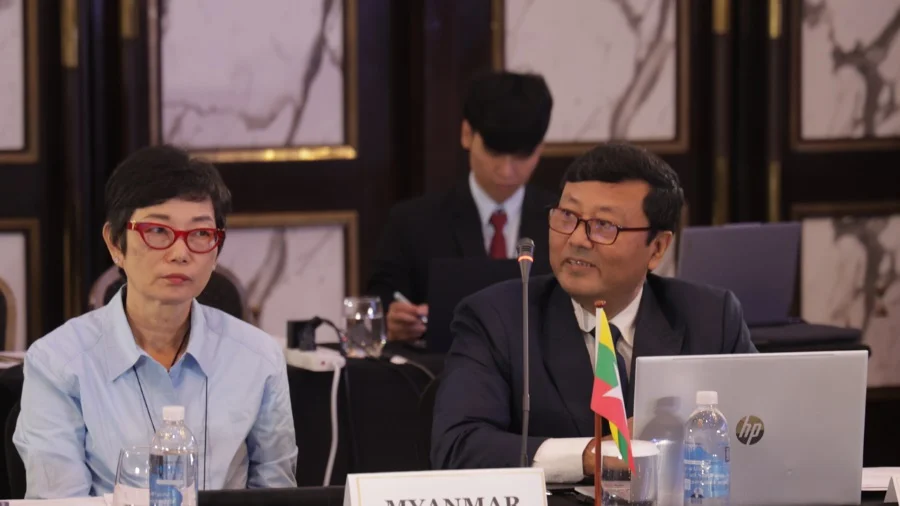
A major segment of the meeting featured comprehensive updates on the current status of chemical industries, policies, and regulatory landscapes across ASEAN member states and Japan. METI shared insights on Japan’s chemical sector and relevant international issues, including the repercussions of Middle East tensions. ASEAN countries then presented their latest developments and emerging regulatory trends, with special focus on sustainability topics such as extended producer responsibility, PFAS regulations, circular economy initiatives, energy transition, and low-carbon strategies.
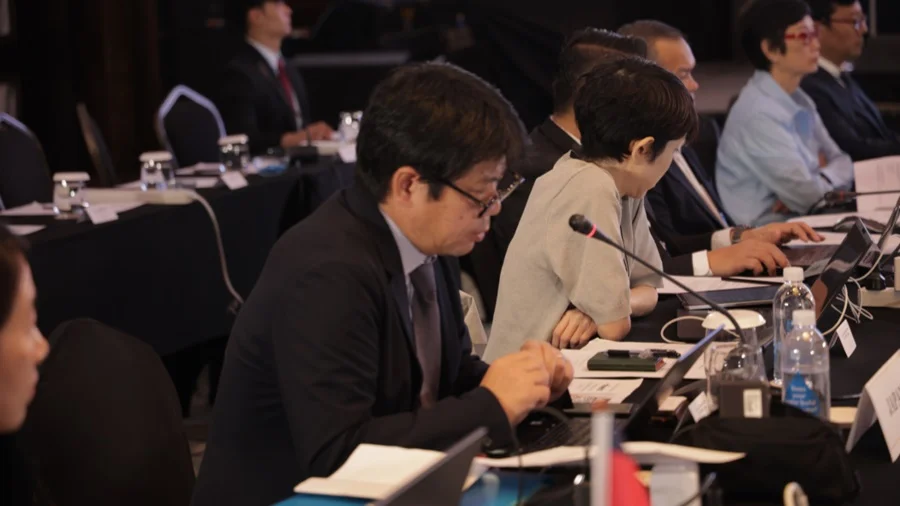
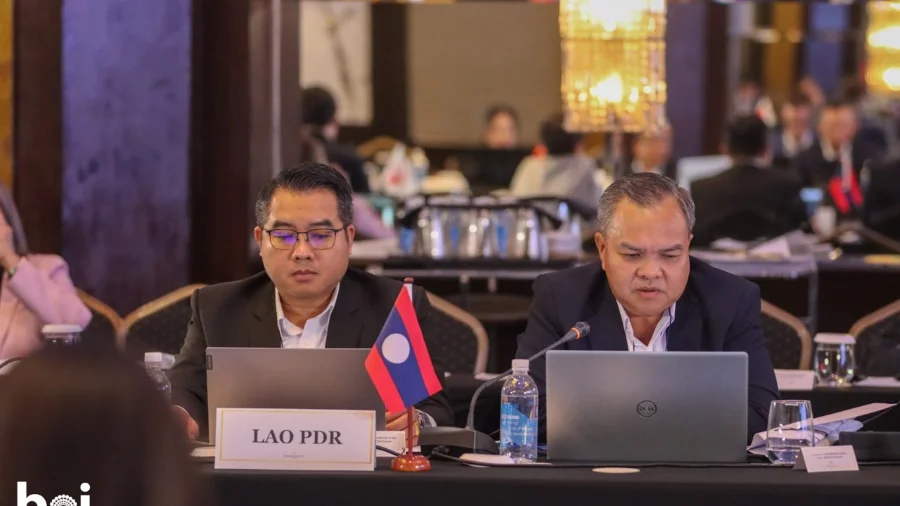
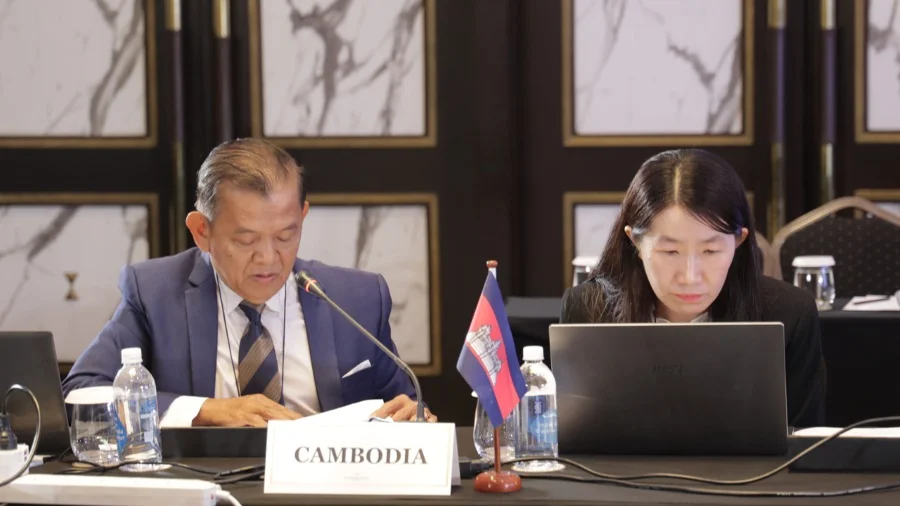
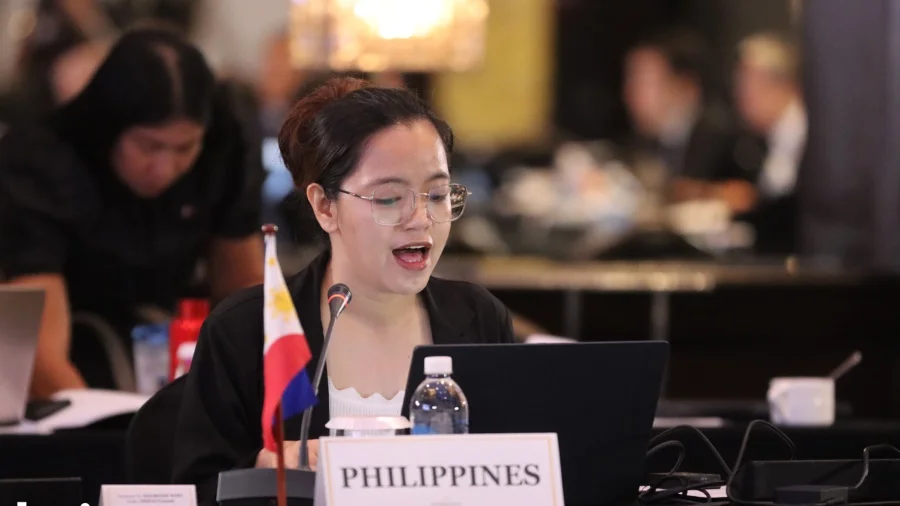
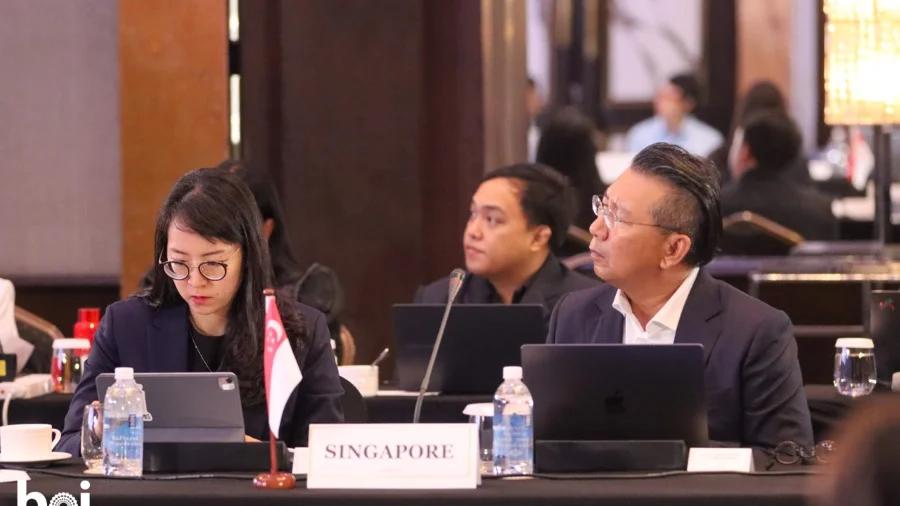
Highlights included Cambodia’s upcoming five-year Industry and Commerce Development Plan and Green Industry Policy, Malaysia’s robust Chemical Collaborative Platform initiatives, and Singapore’s Carbon Pricing Act aimed at industrial decarbonization. The Philippines reported on its extensive PICCS registry, while Vietnam updated on its Law on Chemicals. These rich exchanges were complemented by interactive Q&A sessions, fostering mutual understanding and collaboration.
Complementing regulatory discussions, Deloitte Consulting introduced a METI-supported study exploring ways to boost ASEAN chemical industry competitiveness through circular economy approaches. The presentation outlined a proposed ASEAN-wide plastics circularity model designed to integrate with ASEAN’s Regional Action Plan for Combating Marine Debris, enhancing the region’s sustainability efforts. This was followed by insight from the Japan Chemical Industry Association, which shared research initiatives addressing microplastic pollution within the context of plastics and resource circulation.
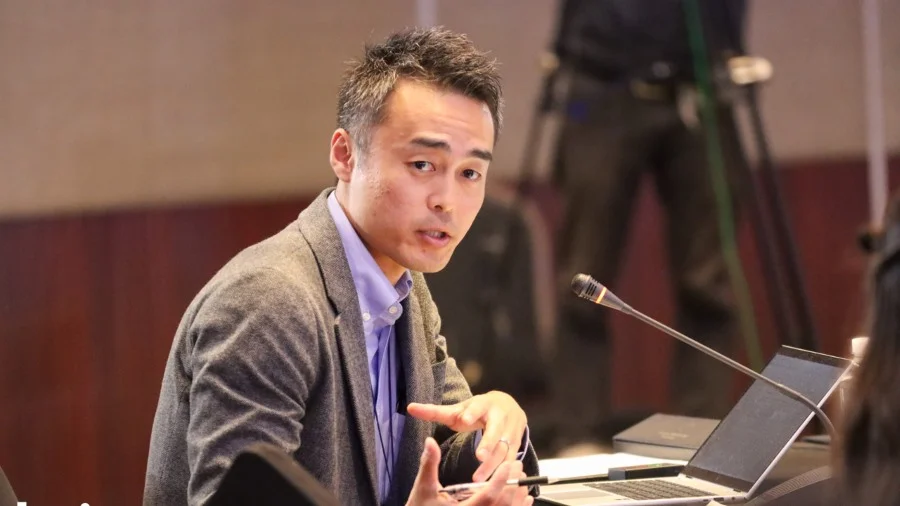
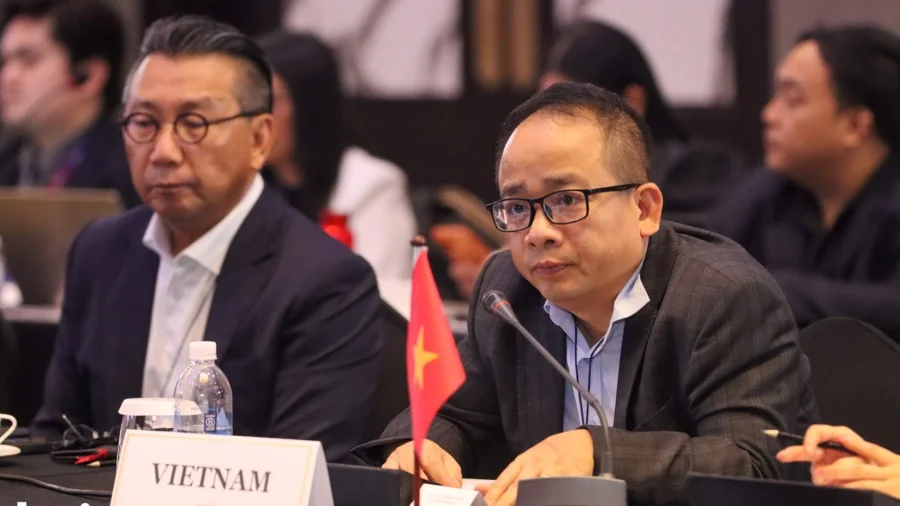
Further advancing regional cooperation, Singapore showcased the ASEAN Regulatory Cooperation Platform (ARCP), which aims to harmonize regulatory frameworks, while Japan’s National Institute of Technology and Evaluation explained the ASEAN-Japan Chemical Safety Database (AJCSD), emphasizing its role in maintaining effective communication and data sharing among member countries and Japanese agencies.
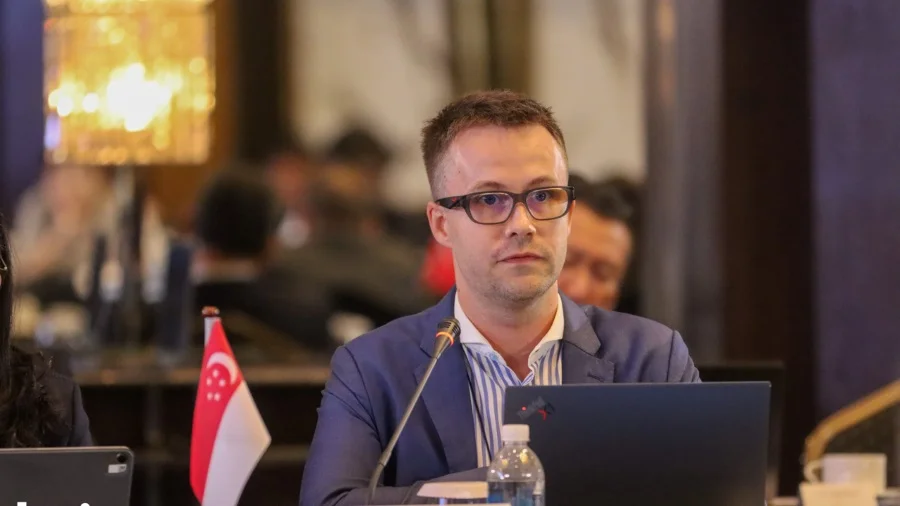
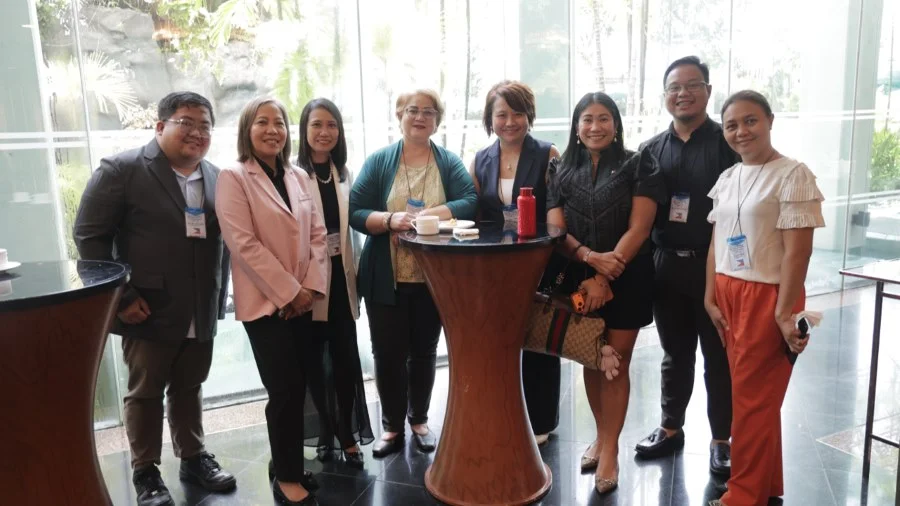
Throughout the meeting, the Samahan sa Pilipinas ng mga Industriyang Kimika (SPIK) was actively represented by a President Engr. Aldrich Bentilanon, Director of ESG Engr. Gretchen F. Enarle, Vice President for External Affairs Ms. Danrina Begonia, Director Engr. Reinier Bagabay, and Ms. Antonette Fallarme. Their presence underscored SPIK’s commitment to advancing the Philippines’ role within the ASEAN chemical industry and fostering regional collaboration. The delegation engaged fully in the meeting’s discussions, contributing valuable industry perspectives and strengthening ties with fellow ASEAN and Japanese partners.
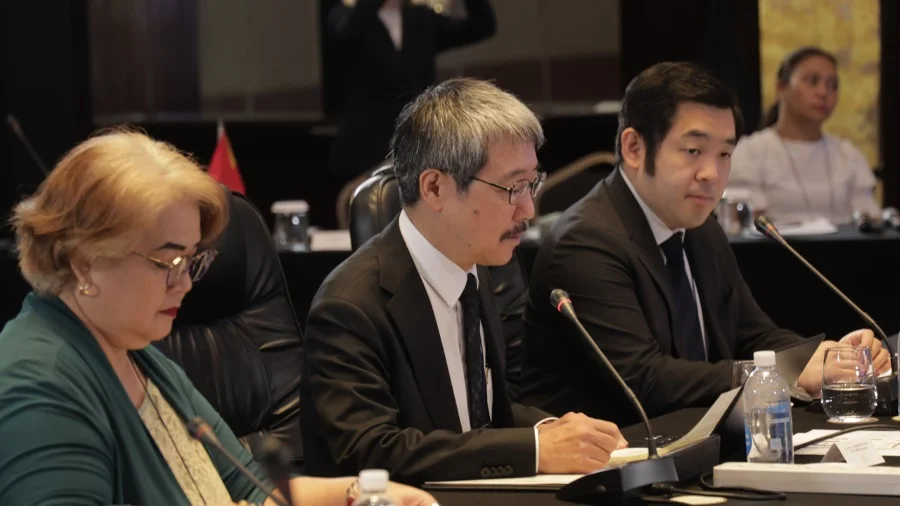
The plenary meeting concluded with closing remarks from the Co-Chairs, who reaffirmed their commitment to fostering resilient, competitive chemical industries through continued ASEAN-Japan collaboration. The event successfully blended high-level policy dialogue, technical knowledge exchange, and cultural engagement, setting a strong foundation for future cooperation and concrete action toward a sustainable chemical sector in the ASEAN region.
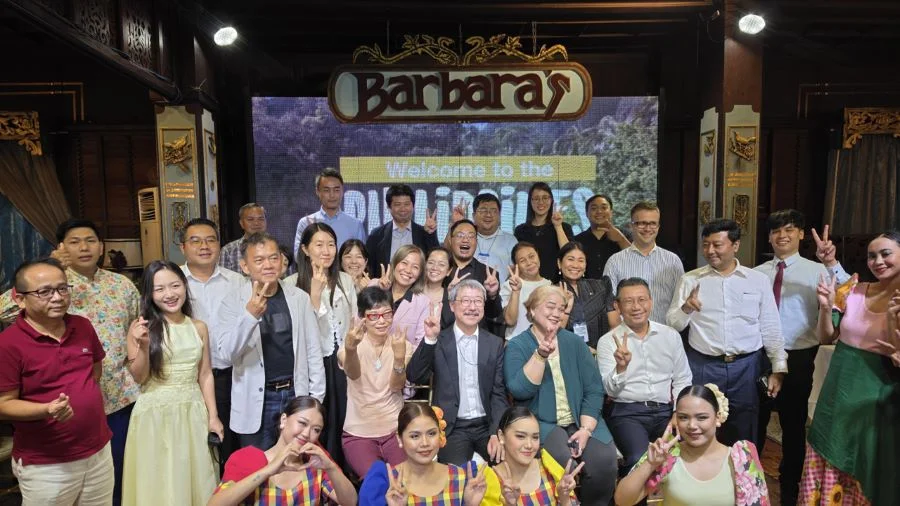
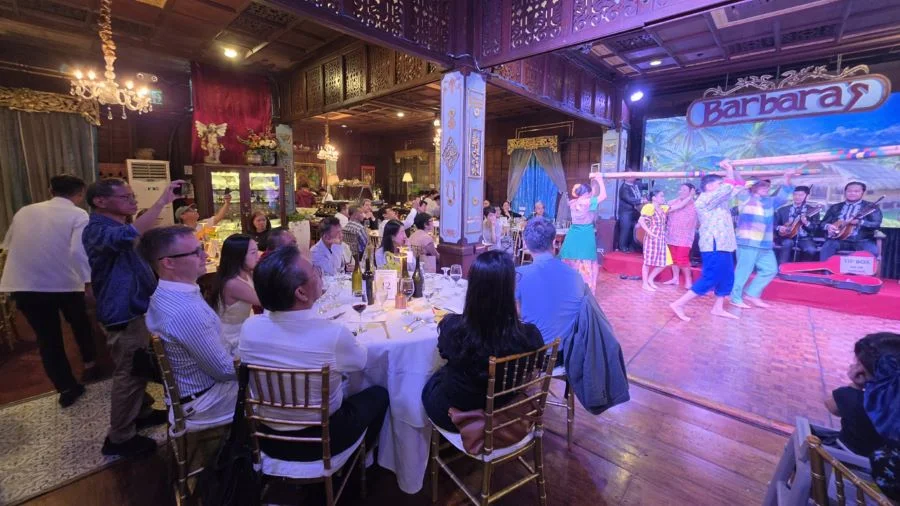
To warmly welcome all delegates, a cultural evening was organized featuring traditional Philippine music and dance. The vibrant performances showcased the rich heritage and cultural diversity of the Philippines, creating an inviting and festive atmosphere that resonated deeply with the international participants. This event not only offered a memorable experience but also fostered camaraderie among attendees, setting a positive tone for the productive exchanges throughout the meeting’s duration.
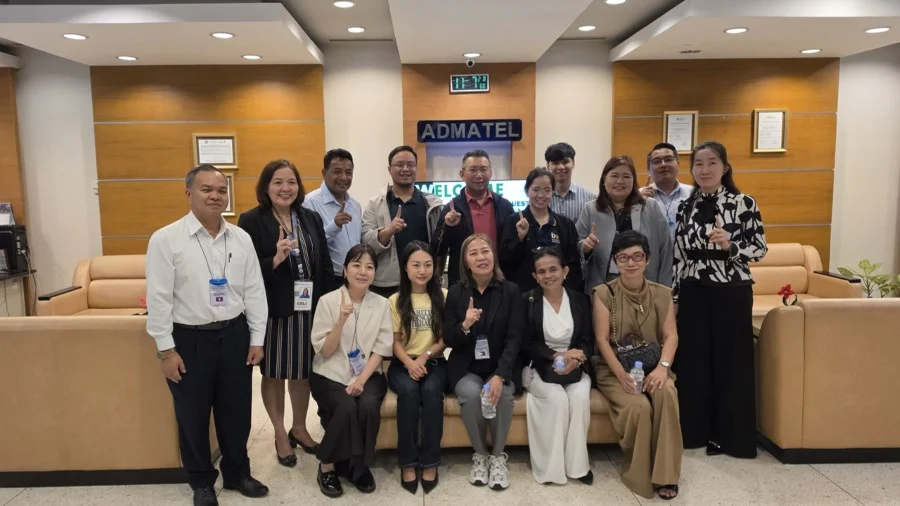
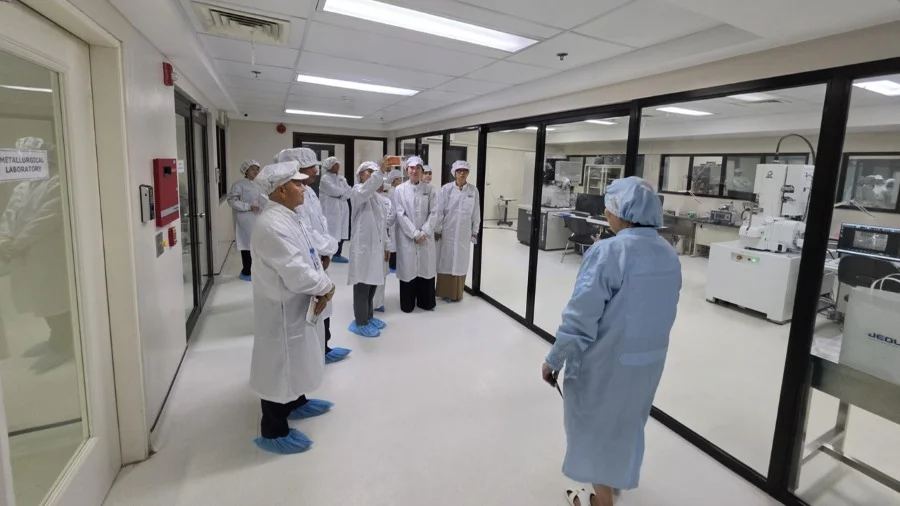
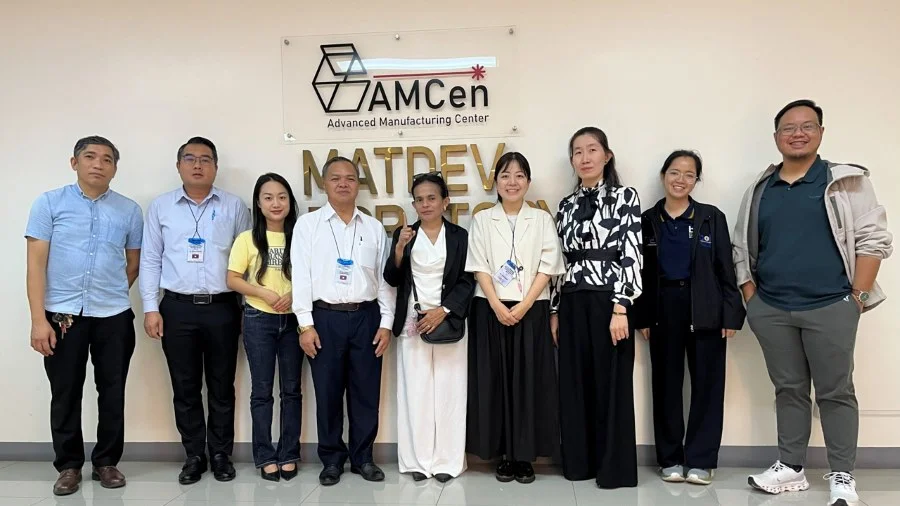
On the second day, AMEICC delegates were honored with a tour of the Department of Science and Technology – Industrial Technology Development Institute (DOST-ITDI). Welcomed graciously by Dr. Annabelle V. Briones, Director of ITDI, the delegation explored cutting-edge research and testing facilities pivotal to the advancement of sustainable chemical industry practices. The visit included in-depth tours of the Advanced Materials Testing Laboratory (ADMATEL) and the Biodegradability, Ecotoxicity, and Compostability (BEC) Lab, where hosts demonstrated innovative technologies and initiatives aimed at supporting resource efficiency, circular economy principles, and environmental stewardship within the chemical sector. This immersive experience provided participants with valuable insights into the Philippines’ scientific capabilities and the ongoing efforts to integrate sustainability into industrial development.
Overall, the meeting laid a strong foundation for continued cooperation in promoting sustainable development in the ASEAN chemical industry. By sharing regulatory updates and tackling sustainability challenges, participants aligned on balancing environmental protection with growth. Focus on circular economy and microplastic research showcased commitment to sustainable manufacturing. Collaborative discussions and visits strengthened trust and coordination, advancing harmonized standards crucial for a resilient, competitive, and environmentally responsible chemical sector.