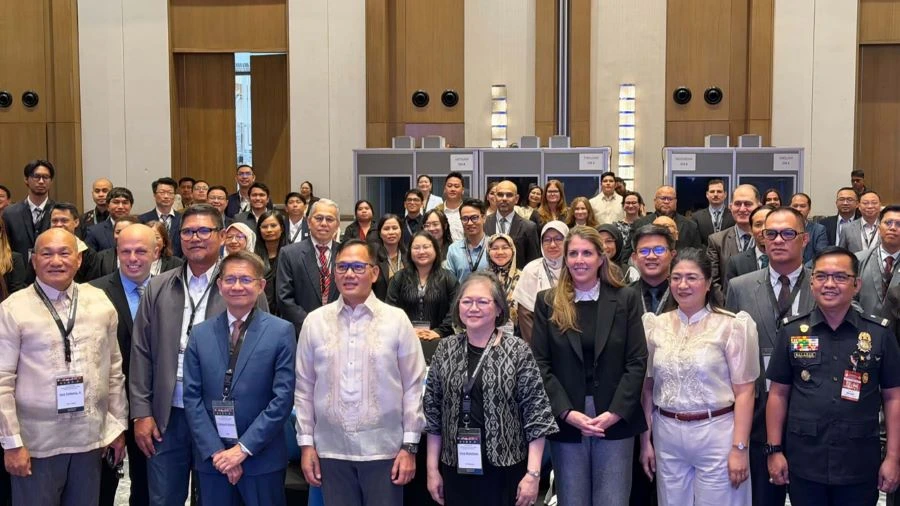
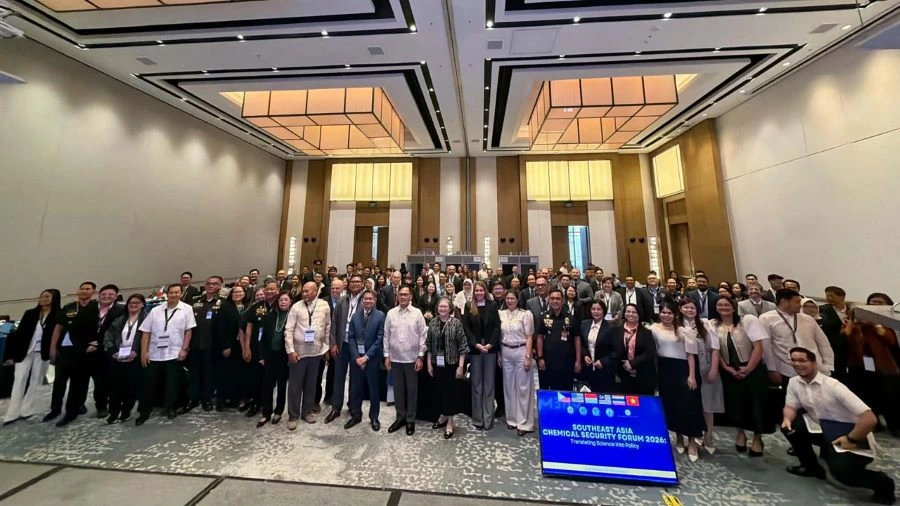
20 Oct SPIK’s Engagement at Southeast Asia Chemical Security Forum 2026
The Southeast Asia Chemical Security Forum 2026, held from October 20-23 at the Clark Marriott Hotel in the Philippines, was organized by the Philippines Anti-Terrorism Council (ATC) and the University of the Philippines College of Medicine (UPMC) CBRN Health Security Initiative. The event was conducted in partnership with the U.S. Department of State Bureau of Arms Control and Nonproliferation (ACN), the Defense Threat Reduction Agency (DTRA), and with implementing support from Health Security Partners (HSP). The forum addressed critical themes such as integrating scientific research into national security policies, strengthening incident preparedness and surveillance, emerging technologies including AI and cybersecurity risks, and sustainable public-private partnerships. These topics were vital in responding to the increasingly complex threats posed by chemical weapons and dual-use technologies in the region.
Among the various sessions, the panel on “Role of Academia, Industry, and Policy in Preventing Insider Threat” stood out for highlighting the interconnected responsibilities of multiple sectors in chemical security. Engr. Gretchen F. Enarle represented SPIK as a panelist, contributing industry perspectives on the importance of robust internal controls and collaborative efforts to prevent insider threats. This session underscored that effective coordination among academia, industry, and policymakers is essential to developing practical, enforceable security measures.
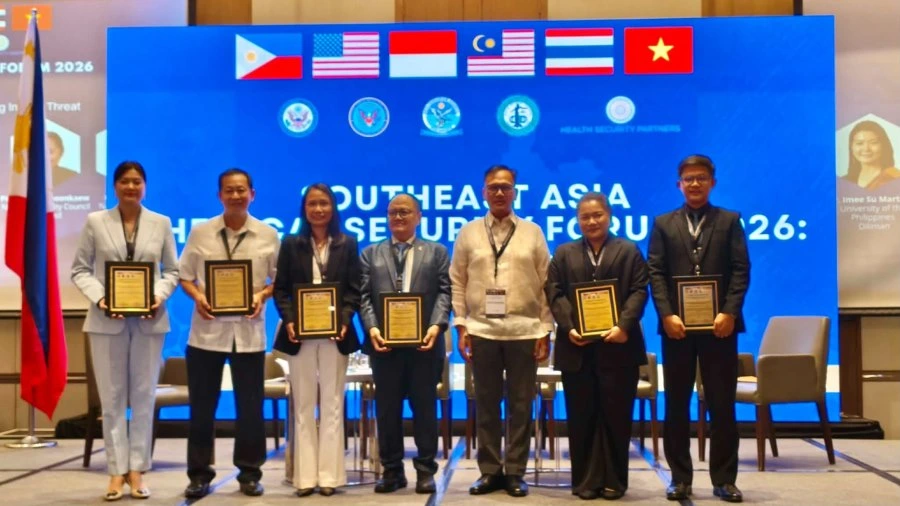
The forum’s comprehensive agenda, ranging from technological advances in chemical detection to workforce development and policy formulation, reflected the urgent need to translate scientific insights into actionable regional frameworks. These discussions, including exercises and breakout sessions, fostered shared understanding and built momentum toward long-term cooperation, culminating in the anticipated adoption of the Clark Declaration. The declaration aims to formalize regional commitments and strengthen collective governance of chemical security.
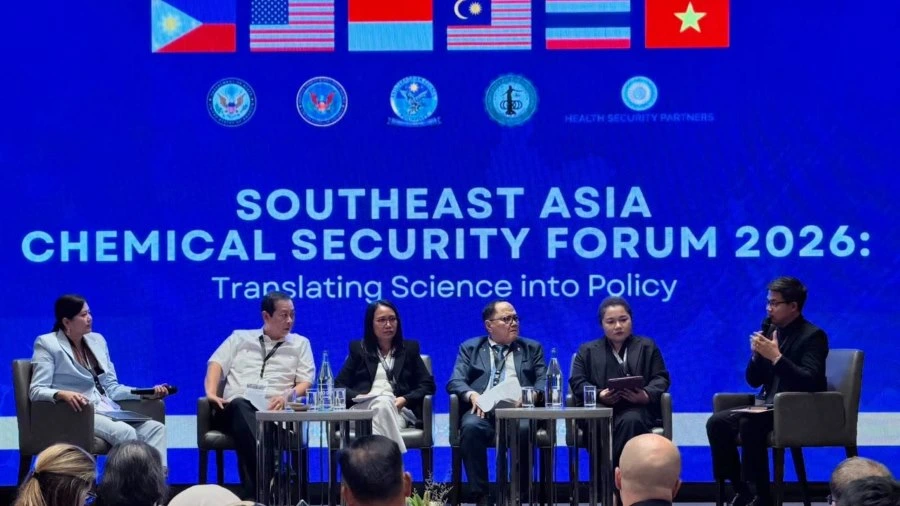
SPIK’s participation, through contributions like those of Engr. Enarle, exemplified the collaborative spirit necessary to address chemical security challenges in Southeast Asia. Through multidisciplinary dialogue and policy development, the forum advanced its mission to bridge science and policy, encouraging sustainable partnerships that strengthen regional resilience against chemical threats.