30 Jun Enhancing Chemical Supply Chain Security: A Collaborative Roundtable Workshop in Manila
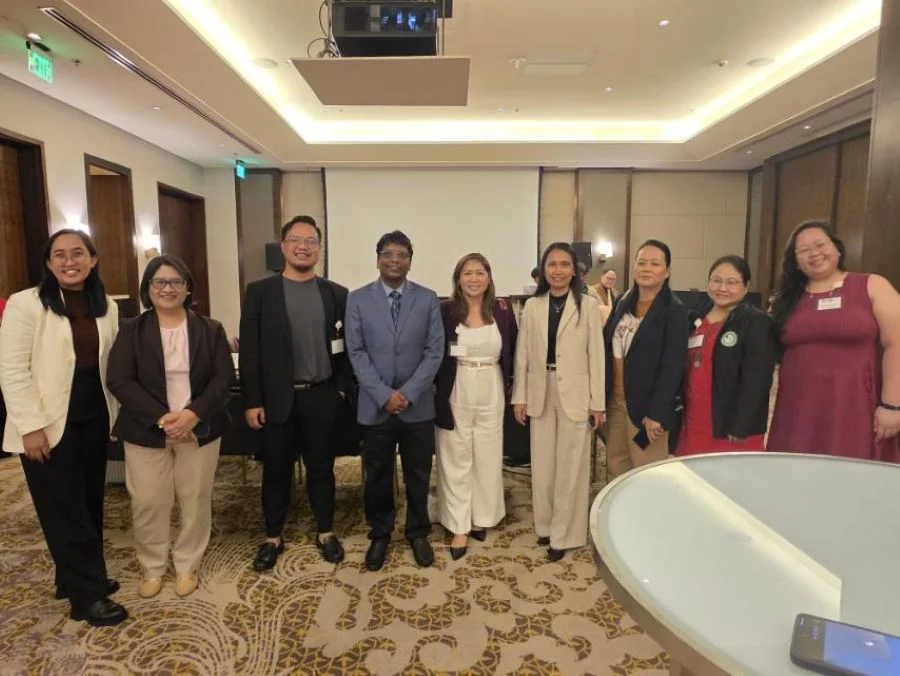
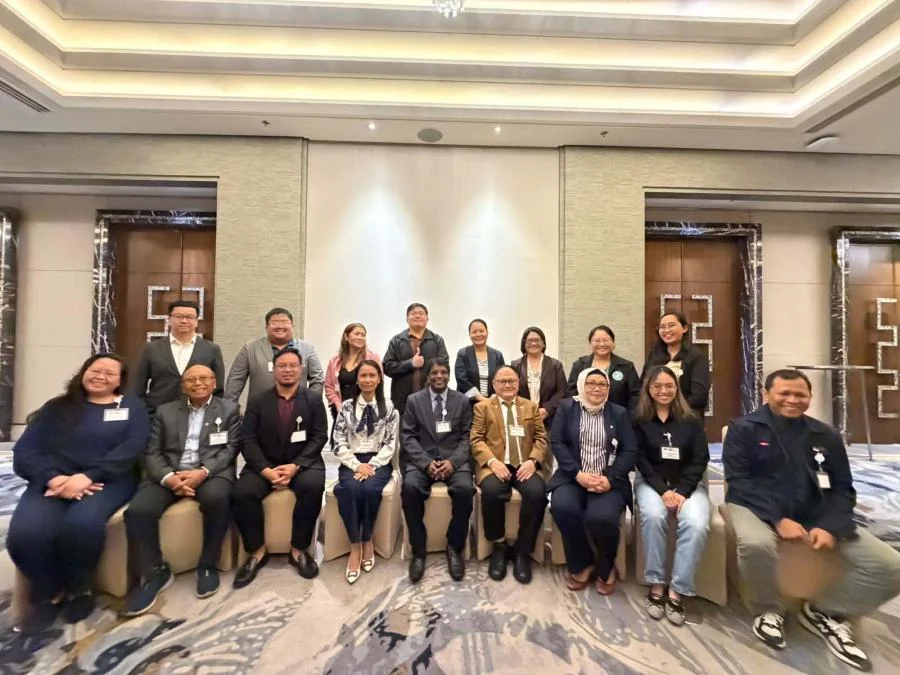
From June 30 to July 1, 2026, the U.S. Department of State’s Office of Cooperative Threat Reduction (CTR), in partnership with the Pacific Northwest National Laboratory (PNNL), held a pivotal two-day workshop in Manila, Philippines, focused on strengthening chemical supply chain security in Southeast Asia.
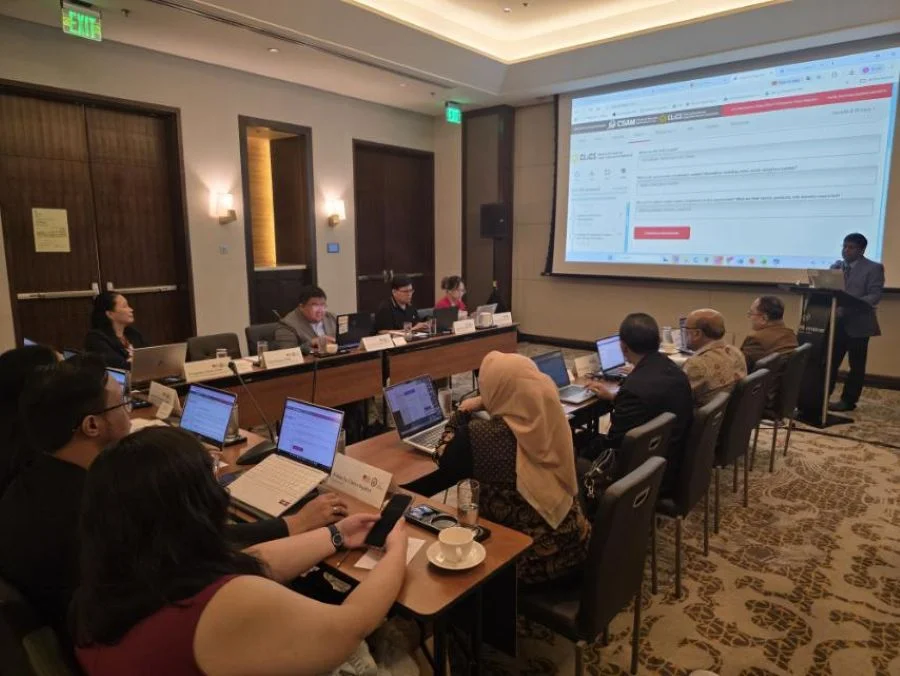
The workshop aimed to deepen participants’ understanding and practical application of two critical maturity models: the Chemical Security Assessment Model (CSAM) and the Chemical Life Cycle and Supply Chain Security (CLiCS) model. These models helped organizations assess their chemical security maturity, pinpoint vulnerabilities, and design improvements aligned with their national and institutional realities.
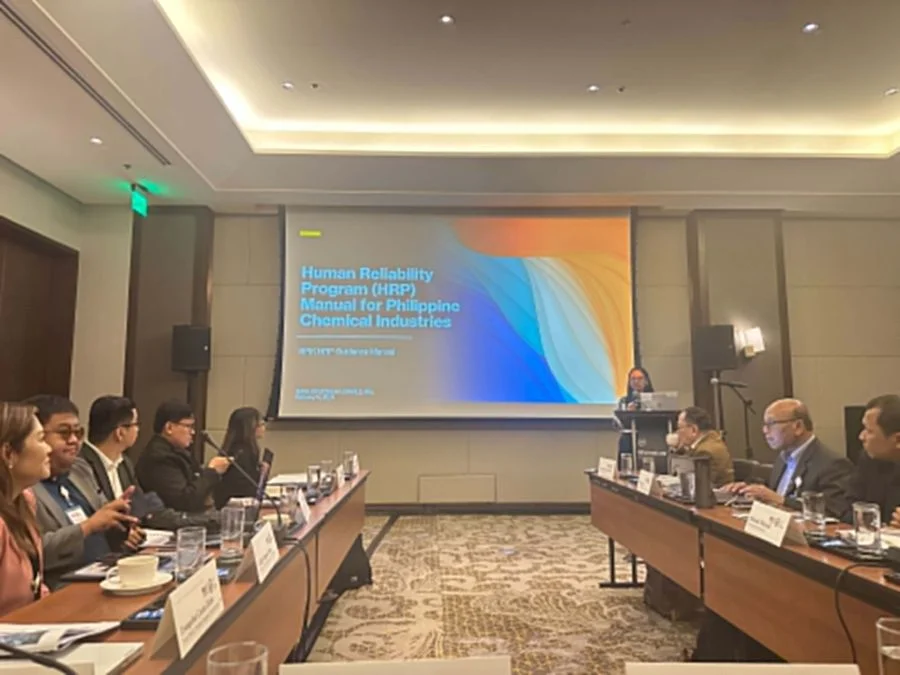
Attended by representatives from the Philippines and Indonesia, the event combined presentations, country reflections, and hands-on exercises. Participants broke into teams to examine specific domains within the models ranging from asset and risk management to supply chain tracking and transportation security engaging in detailed discussions on challenges and potential solutions.
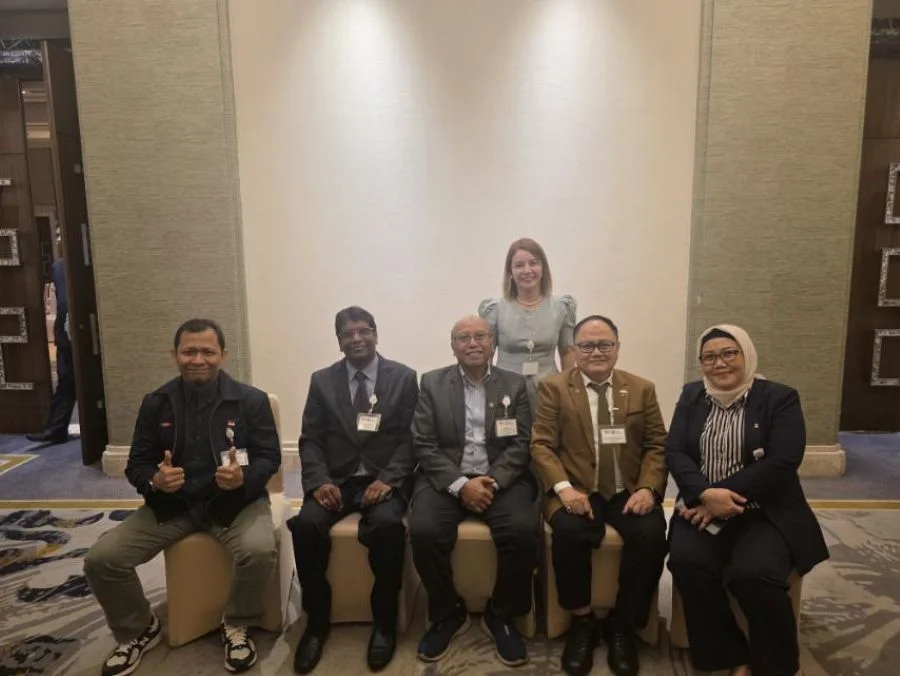
The workshop featured integrated tabletop exercises simulating real-world scenarios, enabling participants to propose immediate and medium-term measures and explore cross-border coordination strategies for prevention, detection, and response to chemical security threats.
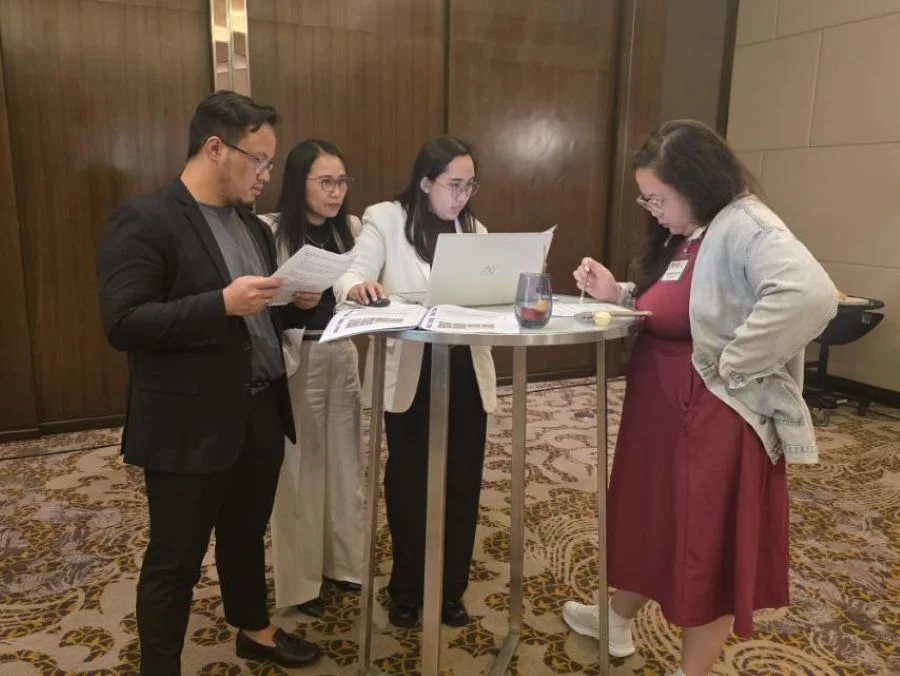
Led by Dr. Radha K Motkuri, Senior Principal Chemical Engineer at PNNL, and an expert with over 26 years of experience in chemical security, the event provided hands-on training designed to empower participants as trainers. This equipped the participants to assist manufacturers and organizations handling hazardous chemicals in conducting facility security self-assessments.
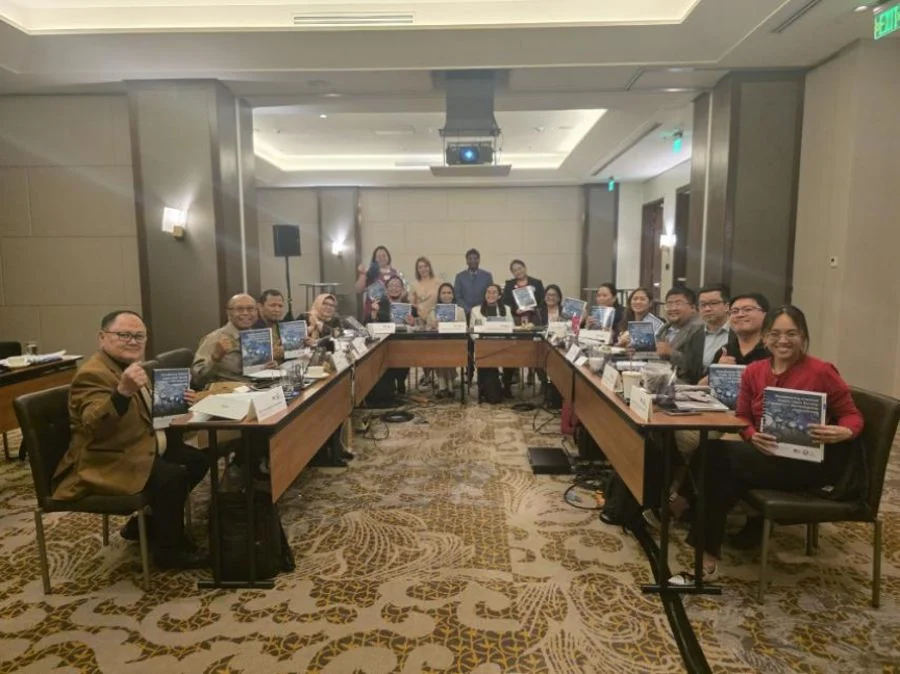
Led by Dr. Radha K Motkuri, Senior Principal Chemical Engineer at PNNL, and an expert with over 26 years of experience in chemical security, the event provided hands-on training designed to empower participants as trainers. This equipped the participants to assist manufacturers and organizations handling hazardous chemicals in conducting facility security self-assessments.By the end of the workshop, attendees had gained enhanced technical skills and access to ongoing resources to support their chemical security assessment efforts. This collaborative initiative marked an important step toward securing chemical supply chains and fostering regional cooperation against malicious actors.