22 Apr Strengthening Partnerships for a World Free of Chemical Weapons
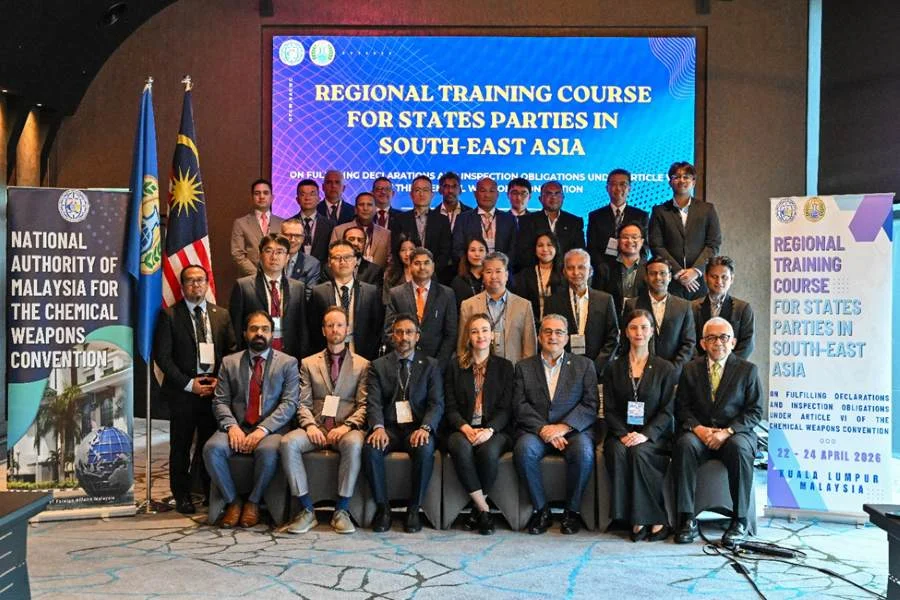
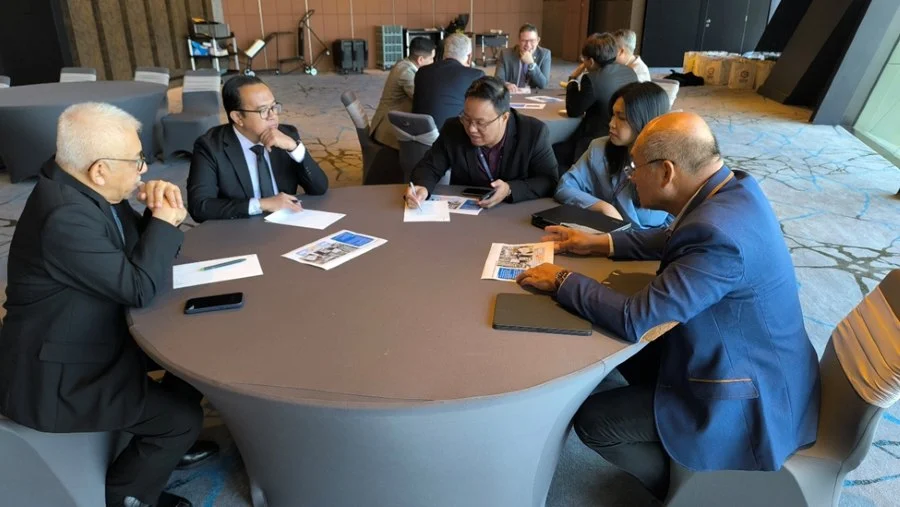
From 22 to 24 April 2026, representatives from government and industry participated in the Regional Training Course for States Parties in South East Asia on Fulfilling Declarations and Inspection Obligations under Article VI of the Chemical Weapons Convention (CWC) in Kuala Lumpur, Malaysia, organized by the Organisation for the Prohibition of Chemical Weapons (OPCW) and hosted by the National Authority of Malaysia. The program served as an important platform to reinforce regional cooperation and strengthen implementation of the Convention’s verification regime.
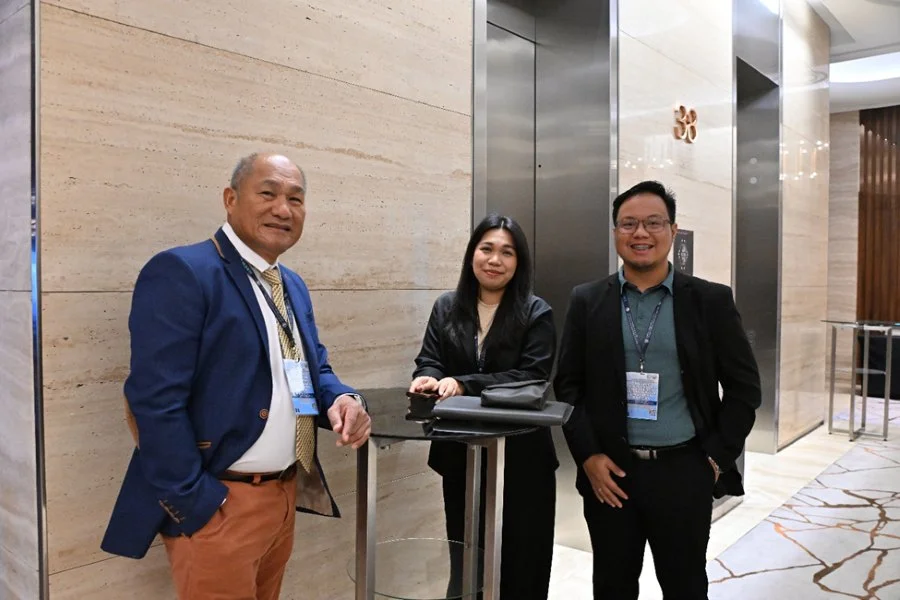
The Philippines was represented by Dir. Jose Embang Jr. and Ms. Rodelyn Adornado from the National Authority under the Office of the President, alongside Mr. Reinier Jay Bagabay representing the Samahan sa Pilipinas ng Industriyang Kimika (SPIK), reflecting the valuable partnership between government and industry in advancing the Philippines’ commitment to the Convention.
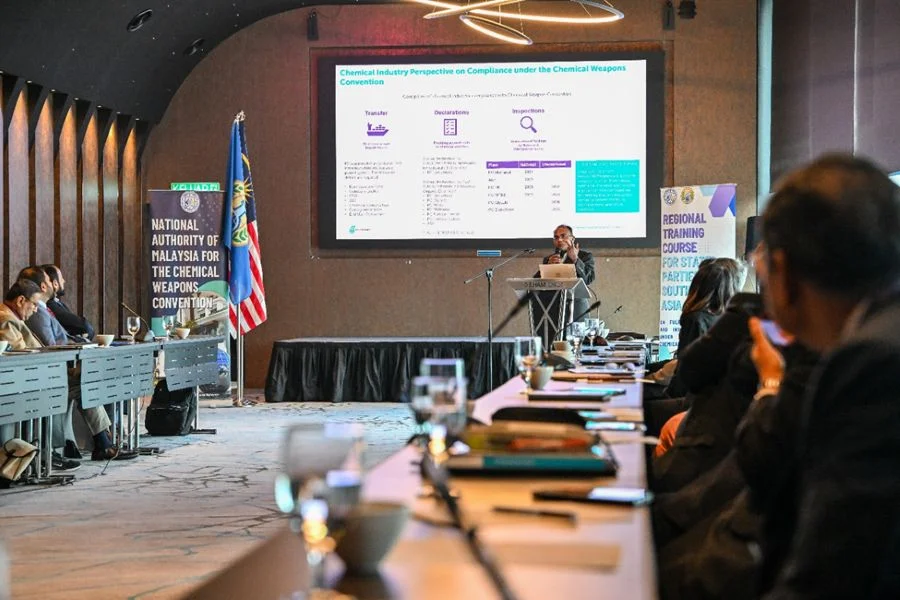
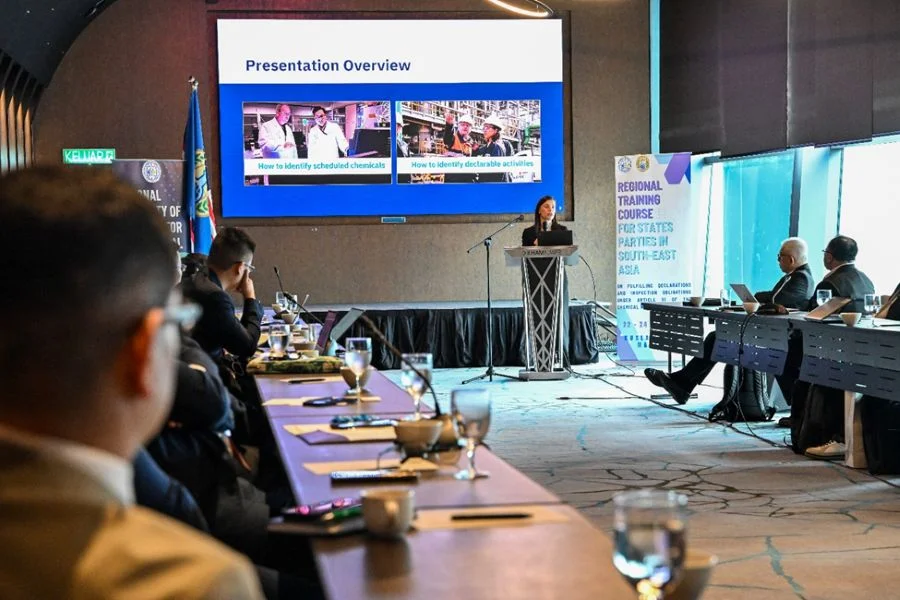
Participants from Argentina, Brazil, Australia, Thailand, Pakistan, India, Malaysia, South Korea, China, and Japan engaged in productive discussions on the role of industry in the CWC verification regime, Article VI declaration requirements, declaration tools such as EDIS and SIX, declaration data management, and best practices in preparing for OPCW inspections, including a mock inspection at an Other Chemical Production Facility (OCPF). Sessions led by the OPCW Technical Secretariat, including Ms. Elena Gjoreska, together with experts from Malaysia’s National Authority, including USec. Raja Subramaniam of the National Authority for the Chemical Weapons Convention of Malaysia and Mr. Mohd Ismafazil Ismail of Petronas Chemicals, underscored that robust declarations, effective inspections, and strong national implementation remain critical safeguards against the reemergence of chemical weapons.
A meaningful bilateral dialogue was likewise held among OPCW, the National Authority of the Philippines, and SPIK regarding the ongoing review and approval of the Implementing Rules and Regulations of R.A. 12174, also known as the Philippine Chemical Weapons Prohibition Act, highlighting continued collaboration and the support available from OPCW toward strengthening national implementation.
Beyond the technical knowledge shared, the course reaffirmed a broader and enduring commitment that governments, industry, and international partners each have a role in ensuring chemistry is used only for peaceful purposes. As emphasized during the opening remarks of Mr. Paul Ellis, Deputy Chairman of Chemical Industries Council of Malaysia, the Chemical Weapons Convention should be viewed not as a regulatory burden, but as a framework that complements responsible industry practice, strengthens compliance, fosters trust, and supports the collective effort to prevent the reemergence of chemical weapons for future generations.